
Narrative
Introduction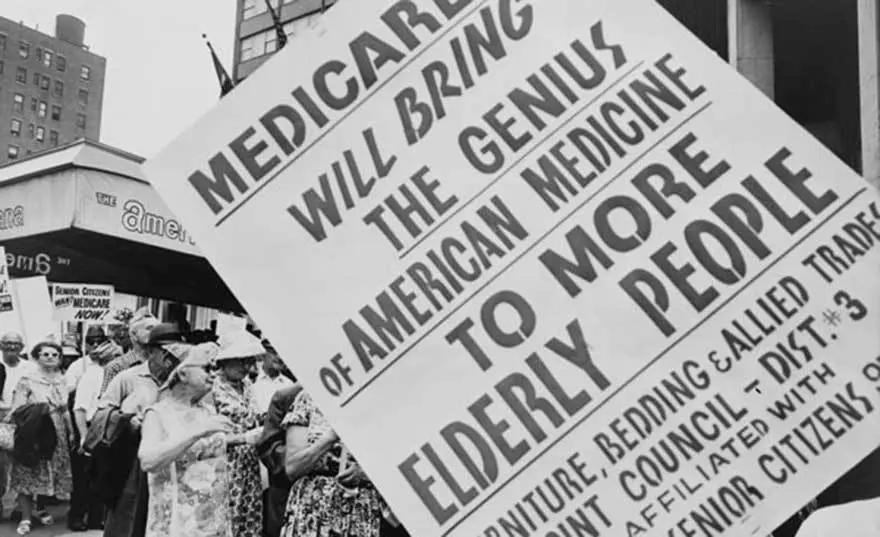
When we talk about healthcare, we often focus on individual experience – how a doctor’s visit went, the cost of a prescription, or the quality of hospital care. But what if the bigger picture is harder to see? The connection between healthcare policies and patient outcomes isn’t always straightforward, and data alone rarely tells the full story. Medicare, a program that insures over 66 million Americans, sits at the intersection of medicine, policy, and economics, shaping not just individual care but the broader U.S. healthcare system. Understanding its impact requires more than just crunching numbers – it demands a holistic approach that considers both medical and sociological factors, from patient satisfaction to long-term health outcomes.
Medicare is a federal health insurance program in the United States that primarily provides health coverage for individuals aged 65 and older, as well as certain younger individuals with disabilities or specific medical conditions. Medicare has been crucial in helping millions of Americans access essential healthcare services, reducing out-of-pocket costs for hospital stays, doctor visits, and medications (Centers for Medicare & Medicaid Services [CMS], n.d.). Medicare was initially established in 1965 as a hospital insurance program for older adults under Social Security, alongside health care support for children (Fletcher, 2022). Since then, it has expanded, now providing health coverage to over 66 million people. Because Medicare benefits such a large vulnerable population, it is imperative that we assess Medicare’s efficacy in delivering quality healthcare and explore the several variables that impact this. Additionally, although it was initially designed to incorporate older adults into the U.S. healthcare system, Medicare has evolved over twenty years into a tool for influencing medical costs and the overall nature of American healthcare (Marmor, 1988). Hence, Medicare not only directly serves its beneficiaries but also significantly impacts the broader U.S. healthcare system by shaping hospital reimbursement rates, physician payment models, and healthcare regulations, ultimately influencing medical costs, service availability, and treatment standards that affect all Americans.
We are looking into two data sets: first, a dataset from the CMS (Centers for Medicare and Medicaid Services), a part of the US federal government’s Department of Health and Human Services which includes subjective ratings of patient satisfaction, comparative medicare expenditure by agencies, health information transfers between patient and provider, timeliness of home health team beginning their patient care, as well as several other aspects of healthcare delivery across the US states and the territories in 2024. Second, a dataset from which includes Chronic Respiratory illness outcomes across the US states and territories in 2021. A primary reason we are examining chronic respiratory outcomes is because of the challenges and reforms that have become essential in Medicare to better serve older adults with chronic illnesses, highlighting the limitations of the traditional fee-for-service model in addressing long-term care needs (Daaleman, 2006). These limitations point to the urgent need for a more integrated approach to healthcare that encompasses not only medical interventions but also broader systemic changes. On that note, managing chronic illnesses requires not only clinical treatments and technical approaches but also strategies rooted in social, economic, and policy considerations (Institute of Medicine, et al, 2011) . We aim to explore how healthcare delivery, measured by patient satisfaction and several other elements of patient care, may influence the management of chronic respiratory illnesses. Additionally, we seek to leverage our findings to explore broader implications regarding health disparities across the United States.
Our analysis did not reveal a strong mathematical correlation between patient satisfaction and respiratory disease outcomes. Intuitively, we expected some connection – perhaps higher patient satisfaction aligning with better health outcomes – but this relationship was not evident in our data. This does not necessarily mean the link does not exist; rather, it suggests that the datasets we examined may not capture the full picture. Limitations such as unmeasured variables, differences in how satisfaction is reported, or broader systemic influences may obscure the connection.
However, we did find notable correlations between specific Medicare methodologies and patient outcomes as reported by Medicare. For example, timeliness of care – how quickly a healthcare team begins treatment – was associated with better patient results. This suggests that certain aspects of healthcare delivery, even if not directly reflected in patient satisfaction surveys, do have measurable effects on health outcomes.
Our findings also revealed notable outliers among spatially distant states and territories such as Puerto Rico, Alaska, Hawaii, the Virgin Islands, and Washington, D.C. These regions exhibited skewed data, with some, such as Puerto Rico, showing high patient satisfaction despite significantly poorer health outcomes. This discrepancy suggests that factors beyond healthcare delivery, such as socioeconomic conditions, political structures, and regional healthcare infrastructure, may play a significant role in shaping both perceptions of care and actual health results. These patterns highlight the need for a more nuanced understanding of how systemic and regional disparities influence healthcare effectiveness, reinforcing the idea that policy solutions must account for both medical and sociological dimensions.
These findings point to larger implications for public health policy. If timeliness improves outcomes, what does that mean for how we allocate healthcare resources? Should policy efforts focus more on streamlining care delivery? Our results suggest that while patient satisfaction alone may not be a definitive measure of healthcare efficacy, certain structural factors within Medicare can meaningfully impact patient health. Understanding these dynamics can help shape future public health policies, spending decisions, and broader healthcare initiatives in the U.S.
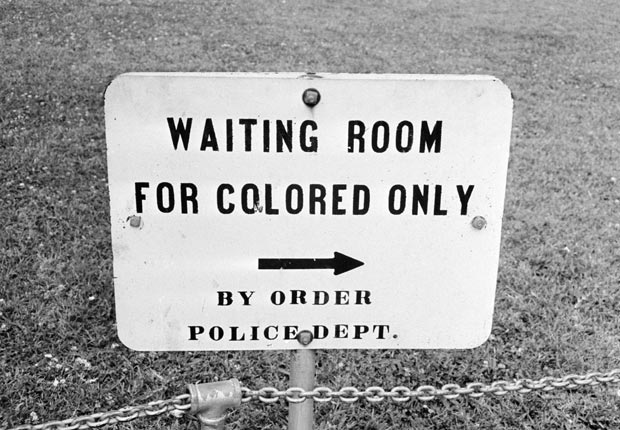 While clinical outcomes are the standard measure of healthcare quality, subjective ratings offer a valuable alternative perspective on how Medicare patients perceive their treatment, potentially revealing deeper systemic issues across different states. Medicare patients are confronted with countless challenges in accessing healthcare in the United States, which can indirectly affect their subjective ratings of care. For instance, racial bias from providers can exacerbate disparities, as Cooper et al. (2012) found Black Medicare patients may receive inferior care compared to White patients because implicit biases affect communication and treatment decisions by providers. This discrimination often intersects with socioeconomic factors, further deepening health inequities. Wealth disparities by state could then also play a significant challenge. Apergis et al. (2017) argue that healthcare expenditures across U.S. states are increasingly converging, yet disparities in income remain a major factor in the quality of care received, with wealthier individuals generally having better access to medical services and thus reporting more favorable healthcare experiences. These income-based inequalities are exacerbated by policy decisions, such as proposed cuts to Medicare, which could further limit access to care for low-income individuals. For instance, recent budget proposals from the Trump administration suggest significant cuts to Medicare, aiming to reduce federal spending by $880 billion over the next decade. These reductions could disproportionately affect healthcare delivery in lower-income states, where residents are more reliant on Medicare services. Such funding decreases may lead to reduced access to care and exacerbate income influenced health disparities across different regions (The Guardian, 2025).
Our research dives into several aspects of the medical treatment processes such as patient satisfaction, medicare expenditure, timeliness of healthcare delivery, health information transfer, and frequency of the home health team determining whether patients received a flu shot and its potential impact on health outcomes across America. By doing this we are hoping to identify areas for improvement in healthcare delivery, optimizing resource allocation, enhancing patient satisfaction, and informing policymakers on strategies to improve public health outcomes across America. Additionally, it may provide insights into the role of preventive care, such as flu vaccinations, in reducing healthcare costs and improving long-term health trends.

The figures in the map on Medicare Patient Satisfaction Rates by State reveal stark differences in Medicare patient satisfaction ratings and death probabilities from chronic respiratory diseases across states. Vermont leads with the highest patient satisfaction (4.5) and one of the lowest mortality probabilities (0.0711), suggesting a well-functioning healthcare system. In contrast, Mississippi struggles with a low satisfaction score (2.853) and a relatively high mortality probability (0.0721), hinting at possible gaps in healthcare quality. Interestingly, Alaska has one of the lowest satisfaction ratings (2.727) but a moderate mortality probability (0.0609), which could indicate challenges in healthcare accessibility rather than direct health risks. This aligns with the broader trend we observed among spatially distant states and territories, where healthcare challenges are often shaped by systemic, sociopolitical, and geographic factors rather than just medical quality alone. Alaska’s low satisfaction ratings despite moderate health outcomes reinforce the idea that accessibility, resource distribution, and regional infrastructure play a critical role in shaping both patient perceptions and actual healthcare effectiveness.
Meanwhile, states like Montana (0.0859) and Nebraska (0.0868) have high mortality risks despite mid-range satisfaction scores (2.674 and 3.200), suggesting that managing chronic diseases remains a challenge even in places where patients report decent experiences. However, patient satisfaction ratings have their limitations. Konerding (2020) argues that the ratio scale used in physician ratings lacks an empirically determined zero-point, making comparisons less reliable. Since these zero-points are arbitrarily set rather than objectively measured, state-by-state comparisons might not fully reflect healthcare quality. This highlights the need for careful interpretation of patient satisfaction data, as access to care, preventive efforts, and regional disparities likely play a bigger role in health outcomes than satisfaction ratings alone.
Another critical factor influencing patient satisfaction and health outcomes is the role of social relationships. Kurpas et al. (2016) found that strong social connections significantly improve the quality of life (QoL) for patients with chronic respiratory diseases (CRDs). Their study of 582 patients across 199 primary care centers showed that individuals with stronger social ties had better psychological, environmental, and physical QoL, visited doctors more often for proactive care while requiring fewer hospitalizations, and reported higher overall life satisfaction. While we cannot determine causation from our data alone, these findings suggest that states with lower satisfaction ratings and higher mortality probabilities — such as Mississippi and Montana — may also struggle with weaker social support networks, ultimately exacerbating the challenges faced by CRD patients. Conversely, Vermont’s high satisfaction and lower mortality rate could partially stem from stronger community support and healthcare engagement, though other factors may also be at play.
These findings underscore the need for a more holistic approach to evaluating healthcare effectiveness. Beyond medical quality, factors like healthcare accessibility, regional policies, socioeconomic conditions, and social support systems all contribute to patient outcomes. Strengthening community networks, expanding preventive care initiatives, and improving measurement methodologies could provide a more comprehensive understanding of healthcare disparities across states.

Medicare spending and patient satisfaction do not appear to have a direct correlation, as states with higher expenditures, such as California and New York, do not consistently report the highest satisfaction ratings. Puerto Rico, despite lower spending, reports high patient satisfaction, which suggests that factors beyond spending, such as healthcare accessibility and patient expectations, may influence ratings. As previously mentioned, Cooper et al. (2012) further note that clinician implicit biases can shape patient perceptions of care, which may contribute to state-by-state differences in satisfaction.
Additionally, economic barriers related to prescription medication costs may also play a role in shaping both patient satisfaction and health outcomes. Patel et al. (2018) highlight how the financial burden of respiratory disease treatments, including asthma and chronic obstructive pulmonary disease (COPD) medications, can lead to reduced adherence and worse health outcomes. Even in states with higher Medicare spending, if prescription costs remain prohibitive, patients may not perceive significant improvements in their care experience. The lack of affordable generic alternatives further exacerbates these challenges, particularly for low-income and elderly populations who rely on Medicare. Patel et al. (2018) argue that the United States’ fragmented and inconsistent pharmaceutical policies create disparities in medication access, contributing to uneven health outcomes across different states. Given these insights, it is possible that differences in patient satisfaction are influenced not just by spending levels but also by how effectively states implement policies to ensure equitable medication access. Addressing affordability concerns — such as promoting generic medications and implementing evidence-based pharmaceutical regulations — could be a crucial factor in improving both health outcomes and patient satisfaction among Medicare beneficiaries.

The chart highlights notable disparities in Medicare spending per episode and discharge function scores across U.S. states and territories. Puerto Rico and the U.S. Virgin Islands stand out with significantly lower Medicare spending, likely due to longstanding funding disparities that impact healthcare access and patient recovery. Meanwhile, New Jersey shows one of the highest Medicare spending rates, while states like Montana and West Virginia have relatively lower discharge function scores despite moderate spending, possibly reflecting rural healthcare challenges. Texas and Hawaii maintain lower spending levels but still achieve moderate-to-high recovery rates, suggesting potential healthcare efficiencies. These patterns underscore how regional healthcare funding, accessibility, and systemic differences shape patient outcomes across the country.

The relationship between home health timeliness and patient mobility outcomes suggests that states where home health teams initiate care more promptly tend to report higher rates of mobility improvement. States with over 96% of home health visits beginning on time generally see patient mobility outcomes exceeding 90%, while states where timeliness falls below 90% tend to have mobility improvement rates drop below 85%. This trend may indicate that delays in care initiation influence patient recovery. Orsini (2019) highlights that reductions in public funding for home healthcare have been associated with increased mortality among elderly men, suggesting that the timeliness of care may play a role in overall patient outcomes. Additionally, Zhang and Koru (2024) found that rural home healthcare agencies tend to have higher hospitalization and emergency visit rates, which could be relevant in understanding variations in home healthcare timeliness across states.

The scatter plot examines the relationship between how often home health teams assess whether patients received a flu shot and mortality rates from chronic respiratory diseases across states. The results reveal complex patterns. Some states excel in flu shot assessments yet still experience high mortality rates, suggesting that vaccination alone does not fully explain health outcomes. For example, Nebraska has a relatively high flu shot assessment rate (78.2%) but also one of the highest mortality probabilities (0.0868), indicating that factors such as healthcare accessibility, environmental conditions, or other social determinants may be influencing respiratory health.
Conversely, states like California (72.8% flu shot assessment, 0.0604 mortality probability) and New York (68.5%, 0.0557) show lower mortality rates, suggesting that flu vaccinations may contribute to better outcomes when combined with other healthcare measures. Meanwhile, states with lower flu shot assessments, such as Mississippi (59.1%, 0.0721), tend to have poorer respiratory health outcomes, reinforcing the idea that preventive care plays an important role. However, the relationship is not entirely straightforward, indicating that addressing chronic respiratory diseases requires more than just flu vaccinations.
Research by Heredia-Rizo et al. (2024) highlights that mind-body exercises can improve lung function, enhance stamina, and contribute to overall well-being for individuals with chronic respiratory diseases. This suggests that a more comprehensive approach — one that includes vaccinations, improved healthcare access, and holistic treatment strategies—is necessary to make a meaningful impact, particularly in states where chronic respiratory diseases pose significant health challenges.

Credit: Getty Images

While transparency in healthcare is invaluable, interpreting the correlation between respiratory improvement rates and health information transfer requires consideration of multiple underlying factors. For example, Mississippi reports the highest breathing improvement rate (93.3%) but only a moderate health information transfer rate (89.72%), whereas Rhode Island leads in information transfer (98.48%) but has a slightly lower breathing improvement rate (91.6%). Some states, like West Virginia, maintain a balance between the two, while others, such as Montana (83% breathing improvement, 89.08% transfer), do not follow a clear pattern.
Several factors may contribute to these variations. One possible influence is air pollution. With 83% of cities worldwide exceeding clean air standards, exposure to pollutants has been linked to chronic respiratory diseases (AP News). Policy interventions, such as London’s expansion of its Ultra Low Emission Zone (ULEZ), have demonstrated measurable reductions in harmful pollutants, suggesting that environmental regulations may play a role in improving lung health (The Guardian). However, the extent to which pollution directly affects state-level respiratory outcomes remains complex and requires further study.
Beyond environmental conditions, social relationships may also be an important factor. Kurpas et al. (2016) found that strong social connections are associated with improved quality of life (QoL) for patients with chronic respiratory diseases (CRDs). Their study of 582 patients across 199 primary care centers indicated that individuals with stronger social ties experienced better psychological, environmental, and physical QoL, made more medical visits while requiring fewer hospitalizations, and reported higher life satisfaction. This suggests that states with stronger community support networks might see better respiratory health outcomes, whereas those with weaker social infrastructure could face additional challenges.
Other structural and systemic disparities — including differences in income, education, and healthcare access — may further shape both respiratory health and the efficiency of health information transfer. Recognizing these complexities is essential for developing targeted interventions that improve both respiratory outcomes and healthcare communication, particularly for vulnerable populations.